
By Marcelo Salamon
September 15, 2026
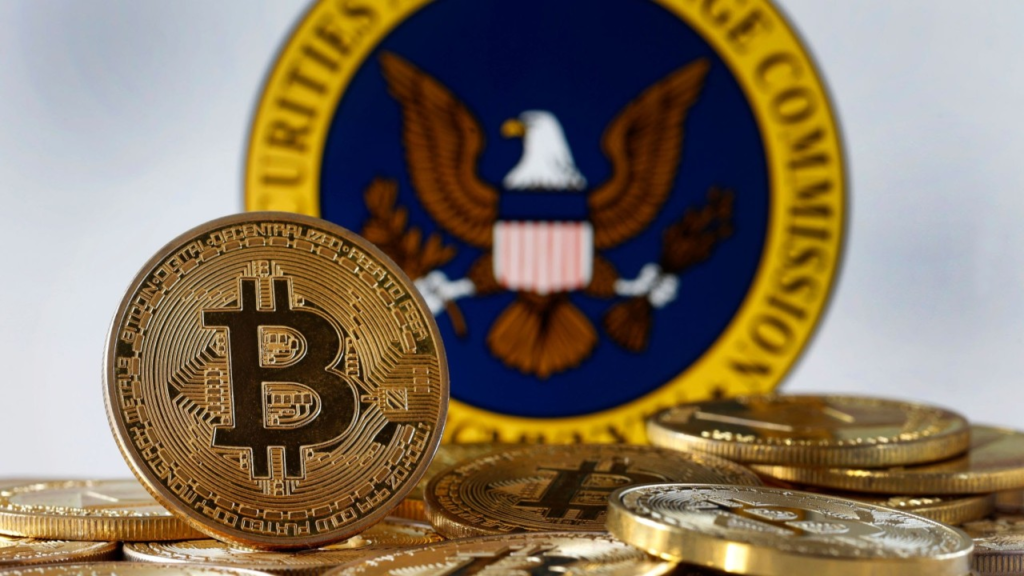
Summary: On Tuesday, September 15, the U.S. Senate votes on a procedural motion (cloture) to decide whether to move forward with the Clarity Act—a bill that would create the first clear regulatory framework for the American cryptocurrency market. The chances of passage, which soared above 80% earlier this year, have plummeted below 30% on the eve of the vote amid a stalemate between Democrats, Republicans, and the banking lobby. It is essential to examine the nuances and motives behind passing or stalling the bill—not just regarding the legislation itself, but the specific interests driving each faction, what lies beneath the surface, and who their backers are, whether legitimate or illicit. All signs point to the bill failing to pass this year. This leaves us with a key question to debate: What changes will be made, and how will Republicans position themselves when reintroducing the bill next year? Will they push for amendments, strategic political moves, or alternative ways to secure market approval? The following text aims to unpack all these nuances.
Keywords: Clarity Act, crypto regulation, U.S. Senate
Introduction
After months of back-and-forth negotiations, the U.S. Senate is finally bringing the crypto market’s most anticipated 2026 vote to the floor this Tuesday. This is not yet a final vote to pass the Clarity Act, but rather a procedural step known as cloture: a vote to decide if the chamber will even open debate on the bill. Reaching cloture requires 60 votes, meaning Republicans—who hold 53 seats—need at least seven Democrats to cross aisle lines to unblock the process. The outcome directly impacts any Bitcoin or digital asset investor, as it dictates the future legal framework (or lack thereof) governing the sector in the United States.
What the Bill Actually Says
Officially titled the Digital Asset Market Clarity Act, the legislation attempts to resolve a decade-long issue troubling the U.S. crypto market: the lack of clear jurisdictional boundaries between the country’s two primary financial regulators, the SEC and the CFTC. Under the current draft, the SEC would retain authority over digital assets behaving like securities—those tied to a centralized team or capital raising. Meanwhile, the CFTC would become the primary regulator for spot markets in digital commodities, expanding a role it currently holds only in limited fraud cases. A key highlight of the bill is the creation of a new SEC registration exemption, named Regulation Crypto. Designed to allow crypto projects to raise capital under streamlined disclosure requirements, it still mandates transparency for retail investors. In practice, the text aims to provide what was missing to prevent another FTX-style collapse: risk disclosure mandates, anti-market manipulation mechanisms, and clearer penalties for bad actors.
The Republican Perspective
For the Republican block, the Clarity Act delivers on a campaign promise: turning the United States into the “crypto capital of the world.” The official narrative argues that a lack of regulatory clarity has driven capital and innovation overseas in recent years, and that a clear framework would bring institutional investment back home. Behind closed doors, however, the motivation extends beyond regulatory philosophy. The crypto industry has emerged as a major political donor base and a key priority for the White House, which has personal and family financial ties to the sector. Unsurprisingly, an ethics clause barring government officials from profiting from crypto projects while in office became one of the touchiest negotiation points; Republicans had to make concessions here specifically to try to unlock Democratic votes.
The Democratic Perspective
On the Democratic side, opposition is neither unanimous nor strictly ideological in the traditional sense. Only two Senate Democrats voted in favor of the bill when it cleared the Senate Banking Committee, signaling that the caucus as a whole remains skeptical. Their central demand is strengthening the ethics language to prevent the president, family members, and top administration officials from profiting off holdings in crypto assets while holding public office. Additional concerns have been raised by state attorneys general and consumer advocacy groups, who worry that shifting part of the market under the CFTC’s jurisdiction will leave retail investors with weaker protections than traditional securities laws provide.
The Hidden Game: Banks, Election Cycles, and Conflicting Interests
Beneath the partisan tug-of-war lies a clash rarely highlighted in mainstream headlines: traditional banks versus crypto firms. The primary bone of contention is interest-bearing stablecoins. Community banks, represented by groups like the Independent Community Bankers of America, argue that allowing yield on stablecoins would drain deposits from traditional banks into crypto platforms, crippling local lending capacity. Conversely, crypto companies contend that banning interest artificially favors legacy banks at the expense of innovation.
There is also a less publicized political calculation. Before the August recess, sources close to negotiations indicated that several Democratic senators preferred to avoid voting on the issue altogether ahead of the November midterm elections. They aimed to prevent taking positions that could alienate progressive voters or donors tied to legacy finance. Delaying a thorny topic to minimize political fallout before an election is standard practice in Washington, explaining why momentum from February ground to a halt by September.
The Odds of Passing Have Collapsed
Early-year optimism has yielded to widespread skepticism. In February, prediction market bettors assigned an 80%+ probability that the bill would pass in 2026. On the eve of today’s vote, those same prediction markets show odds fluctuating between 18% and 26%. Hours before the floor vote, a final offer from Republicans—incorporating parts of an ethics compromise negotiated between Senators Thom Tillis and Ruben Gallego—failed to appease banks, state attorneys general, and key Democrats, who deemed the proposal insufficient.
Potential Scenarios Moving Forward
- If the cloture motion passes: The Senate will officially begin debating the bill, opening the floor to amendments and further negotiations before a final vote. This would not guarantee passage, but it would advance the debate.
- If the cloture motion fails (the market’s expected outcome): The bill effectively stalls for the remainder of 2026. This does not kill the legislation permanently; the text could be reintroduced, renegotiated, or folded into a revised version in 2027. However, the November election calendar makes near-term progress unlikely, and any shift in the Senate’s post-election composition could entirely reshape the legislative landscape.
Conclusion
The Clarity Act enters today’s vote aiming to be the first comprehensive regulatory framework for cryptocurrencies in U.S. history, yet it remains caught in a web of interests far beyond party politics. Legacy banks want to shield their deposit base, Democrats are holding out for stricter ethics guardrails against White House conflicts of interest, and key politicians prefer to dodge a high-stakes vote before an election. With market odds heavily pointing toward procedural failure, the most realistic path is another postponement—leaving the crypto market once again searching for the regulatory certainty it has been promised for years.
References
- NPR — This bill could reshape crypto in America — and it’s sparking a major battle (September 2026)
- CNBC — Trump agrees to ethics requirements in crypto Clarity Act as GOP seeks Democratic votes (September 14, 2026)
- The Block — Where the Clarity Act stands ahead of Tuesday’s Senate vote (September 14, 2026)
- Bitget Academy — CLARITY Act Vote September 15, 2026: What Happens Next?
- CoinDesk — Crypto’s Clarity Act is a Schrödinger’s cat in life-death limbo as U.S. Senate returns (September 11, 2026)
- The American Prospect — Crypto Democrats Are Ghosting the Industry (August 10, 2026)
- DeFi Rate — CLARITY Act updates: Sept. 15 Senate vote, odds of passing at 24%–26%
- Decrypt — Crypto, Banks Take Clarity Act Lobbying Fight to Senators’ Home States
- Senate Banking Committee — FACT SHEET: The CLARITY Act Delivers Regulatory Clarity for the Crypto Industry
Disclaimer: This article is for informational purposes only and does not constitute investment advice. The cryptocurrency market carries high risk; investment decisions should be based on independent analysis and, if necessary, guidance from a qualified financial professional. The regulatory information presented reflects the status of the vote at the time of publication and may change due to subsequent developments.
